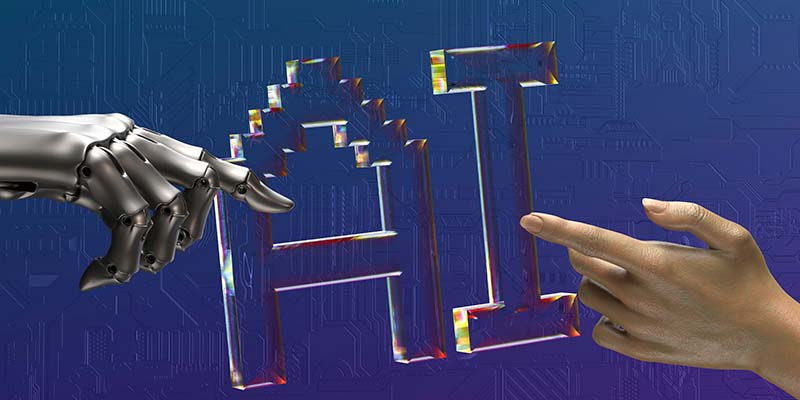
How AI Is Changing Music Creation And Production Today
Author:Mike Fakunle
Released:October 17, 2025
The impact of AI in music is growing rapidly as creators seek new ways to shape songs, sounds, and workflows. Many beginners want to understand how these tools change the way music is created and produced.
AI now helps with writing, beat-making, mixing, and sound design, and it is becoming a normal part of modern studios. This guide breaks down how the technology works, how experts use it, and what beginners should expect. Everything is explained in simple steps so readers understand how AI fits into today’s creative process.
What AI Really Does In Music Creation
Core Functions of AI In Music
AI in music studies extracts patterns from large audio sets and generates new ideas. It forms melodies, builds drum grooves, shapes chord progressions, and helps with song structure. These systems support music creation for beginners who want quick inspiration and for experts testing new styles.
Types Of AI Tools Used By Music Creators
AI composition assistants help users write demos fast. Vocal tools create synthetic voices and harmonies. Beat generators produce rhythms for many genres. Arrangers suggest how to build a full track from melody to chorus. These AI music tools guide creators who want a reliable structure during music production.
How AI Changes The Music Production Process
AI In Sound Design
AI creates fresh instrument tones and reshapes samples into new sounds. Some models push AI sound design into areas that once needed hours of manual editing. This helps producers test ideas quickly and discover textures that feel new.
AI In Mixing And Mastering
Mix systems balance levels, clean harsh tones, and shape space in a track. Mastering tools set loudness, polish clarity, and add finishing touches. These steps once needed expensive hardware, but AI in music now offers stable results with fewer tools.
AI In Studio Workflow
Editing vocals, cleaning noise, and arranging takes less time because AI detects timing issues and unwanted sounds. Tasks that slowed down music production become easier as smart tools predict the next action a creator may take.
Real-World Uses of AI In Today’s Music Industry
How Artists Use AI Creatively
Many artists use AI music tools to build early versions of songs, explore genres, or test ideas before heading into a studio. These tools help beginners find their style during music creation, and they support pros who want to try new directions without long setup times.
How Producers And Engineers Use AI
Producers use automated edits to save time. Engineers rely on machines for mix prep and file cleanup. These uses shape music production, making room for more creative choices and less manual work.
How Labels And Platforms Use AI
Labels use AI to predict trends and understand listener habits. Platforms sort songs based on sound features and suggest music to users. This process uses data from large streaming libraries, such as machine learning research at Google, which helps the industry explore large audio sets faster.

Benefits of AI For Music Creators
Faster Music Creation
Song ideas form quickly with AI-generated melodies and beats. Creators avoid slow steps and get instant versions to work with. These shortcuts support music creation by letting users try many ideas with little effort.
Lower Production Costs
High-quality mixes once required many tools, but AI music tools offer strong results with fewer add-ons. This shift makes music production more open to beginners who do not have access to large studios.
Opening Creative Possibilities
AI blends genres and tests unusual rhythms or harmonies. It also helps shape sounds in fields such as digital art and animation through creative software like Adobe. These mixes allow AI in music to inspire styles that feel fresh and bold.
Challenges And Concerns About AI In Music
Copyright And Ownership Issues
There are questions about who owns AI-made work. If a model studies songs by real artists, its output may sound close to known tracks. This matters for anyone using AI music tools in public releases.
Risk Of Over-Reliance on Automation
Relying too much on systems may weaken personal style. Artists may lose the human touch that shapes unique music creation, especially when music production becomes more automated.
Ethical Questions
Some tools can mimic famous voices without permission. This raises concerns about fairness and identity. These issues grow as AI in music becomes more advanced.
How AI Affects Jobs And The Future Of The Music Industry
Impact On Musicians
Musicians gain more tools but also face more competition. Many roles now expect some knowledge of AI music tools. Those who blend AI with skill often find new ways to grow.
Impact On Producers and Engineers
Producers shift toward creative direction and away from heavy technical work. Engineers use automation to handle routine tasks while retaining control over artistic choices in music production.
Predictions For The Next 5–10 Years
AI will become a normal studio tool, much like drum machines and digital mixers. Many expect growth in hybrid genres and shared human-AI sessions. Even streaming platforms such as Spotify may expand features that support interactive listening based on real-time decisions.
What Beginners Should Know Before Using AI For Music
Learning Curves And Skill Needs
Basic music theory helps guide results. AI follows prompts, so better inputs lead to better songs. These steps keep music creation stable and give users more control.
Choosing AI Tools Wisely
Users should look at price, workflow fit, and output quality. Not all AI music tools match every style, so testing helps find the best match for long-term music production.
Staying Original
Creators should treat AI as support, not a replacement. Mixing AI ideas with real playing, singing, or producing keeps AI in music fresh while protecting personal style.
Why The Impact Of AI On Music Creation Keeps Growing
As tools evolve, AI is shaping new paths in music creation and production. More artists learn how to use AI sound design, and more platforms rely on AI for discovery and growth. These changes push AI in music to become a major part of the industry’s future.
Sources
Don't Miss

Faster Edge AI And Real-Time Intelligence: 2026's Next Big Shift

How AI-Generated Video Is Killing The Traditional Film Industry Jobs

7 AI Tools That Turn Text Into Viral TikTok Videos in Under 5 Minutes

The Future Of Work: Jobs AI Will Create, Not Replace

Why AI as a Service (AIaaS) Is Finally Scaling in 2026